 Piast Gliwice Hub
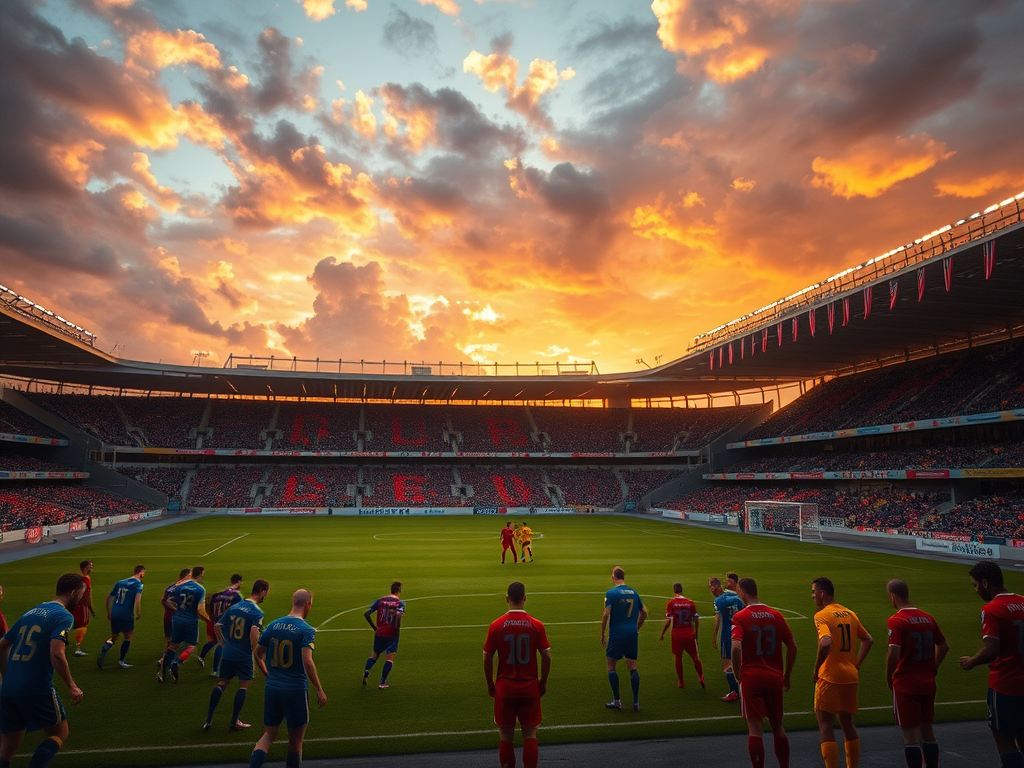
In recent matches, Piast Gliwice has shown that their defense remains their strongest asset; however, offensive issues are becoming increasingly apparent. With upcoming fixtures on the horizon, it's worth exploring several tactical tweaks that could enhance the team's attacking efficiency.
One of the key elements to consider is a change in formation. Piastunki often play in a 4-2-3-1 system, which provides them stability in defense but limits options in attack. Transitioning to a 4-3-3 formation could afford more space for wingers like Patryk Tuszyński to create scoring opportunities. An increased number of attackers could also relieve the lone striker, who often finds himself isolated against opposing defenders.
Another aspect that requires attention is the playing style in midfield. It is often observed that Piast Gliwice relinquishes possession too quickly to opponents, leading to dangerous counter-attacks. Introducing a more creative midfielder capable of playing quick one-touch passes and orchestrating attacks could help retain possession and control the game's tempo. Players like Aleksander Jagiełło should take on greater responsibility for ball distribution, allowing for better utilization of the wingers’ skills.
We must also not overlook the role of set pieces. Piastunki have the potential to score from corners and free kicks but need to improve both their execution and organization in defense during these situations. Investing in set-piece training with a focus on precise deliveries and proper positioning of players in the penalty area could yield benefits in the form of additional goals.
Lastly, but equally important, is communication among players on the pitch. Many situations in which Piast Gliwice drops points stem from a lack of understanding within the team, leading to poor decisions. Regular meetings and video analysis of matches can aid in improving team cohesion and building player confidence.
In summary, Piast Gliwice has the potential to improve their form through tactical adjustments in formation, playing style, and set-piece effectiveness. Implementing these tweaks could be the key to regaining stability and efficiency in attack, ultimately leading to better results on the pitch.